

Over 70% of EU citizens live in urban areas (cities, towns and suburbs) that generate 23% of all transport greenhouse gas emissions. To help the European Union reduce greenhouse gas emissions (by at least 55% by 2030 and by 90% by 2050), the Urban Mobility Framework initiative proposes measures to encourage EU Member States to develop urban transport systems that are safe, accessible, inclusive, affordable, smart, resilient, and emission-free.





News
The Commission’s Expert Group on Urban Mobility (EGUM) has adopted recommendations on complementing public transport with shared mobility, and on using the Social Climate Fund to support public transport.
The Expert Group on Urban Mobility (EGUM) has adopted its recommendations on Urban Vehicle Access Regulations .
The EU is taking another important step in reducing transport emissions by adopting the European Declaration on Cycling
New website of the EU Urban Mobility Observatory
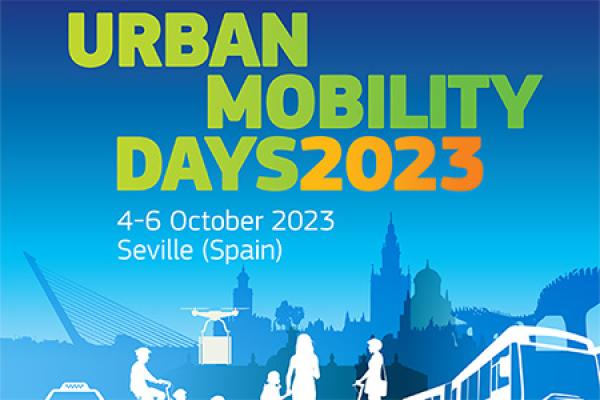
Commissioner Vălean: Opening speech at Urban Mobility Days 2023
The proposal for a European Declaration on Cycling recognises cycling as a sustainable, accessible and inclusive, affordable and healthy means of transport, with strong added value for the EU economy.